


How to Find Reliable Household Essentials
Table of Contents
- How to Find Reliable Household Essentials: A Step-by-Step Approach
- Build Your Essential Household Items Checklist
- How to Spot Fake Reviews and Verify Quality Online
- Best Practices for Online Product Reviews and Ratings
- Evaluate Retailer Reliability and Service Standards
- Compare Purchase Models: Subscription vs. One-Time Buys
- Lifecycle Cost Analysis and Long-Term Value
- Conclusion
Last Updated: August 24, 2026
How to Find Reliable Household Essentials: A Step-by-Step Approach
Finding reliable household essentials shouldn't feel like a guessing game. Yet sorting through endless product options, conflicting reviews, and vague retailer promises creates real friction. The challenge isn't finding products, it's finding ones you can trust to work as advertised and last beyond the first week.
At Value Market Plus, we help customers navigate this problem by offering a curated selection of tested, high-quality essentials and teaching you how to evaluate quality yourself. This guide walks you through a systematic approach that cuts through the noise, whether you're stocking a new home, replacing worn-out basics, or searching for reliable household essentials that actually deliver.
Most shoppers rely on a single signal, price, brand name, or one positive review, to make purchasing decisions. That approach leaves you vulnerable to knockoffs, overpriced mediocrity, and products that fail after minimal use. Instead, this guide shows you how to cross-reference multiple quality indicators, spot red flags in online reviews, evaluate retailer trustworthiness, and make purchase decisions that hold up over time.
Build Your Essential Household Items Checklist
The foundation of smart household shopping starts with knowing exactly what you need. A comprehensive checklist prevents impulse purchases, helps you prioritize spending, and ensures you're not missing critical items.
Kitchen Equipment and Tools
Your kitchen needs functional basics that handle everyday tasks without requiring constant replacement. Focus on items with clear, practical purposes rather than single-use gadgets.
Essential kitchen tools include cutting boards (wood or plastic, not glass), sharp knives (a chef's knife and paring knife cover 90% of cutting tasks), mixing bowls in graduated sizes, measuring cups and spoons, wooden spoons and silicone spatulas, a colander, and basic cooking utensils (peer-reviewed research). These items should feel substantial in your hand, show no signs of warping or cracking, and come from manufacturers with straightforward return policies.
When evaluating kitchen equipment, look for materials that withstand repeated use and cleaning. Stainless steel resists rust and staining. Silicone handles heat better than plastic. Avoid anything with cheap plastic components in high-stress areas, handles, hinges, and joints fail first.
Start with the five items you use most often in your kitchen. Buy quality versions of those, then add everything else gradually as your budget allows. This prevents overbuying and lets you test whether items actually fit your cooking style.
Cleaning Supplies and Storage Solutions
Effective cleaning starts with the right agents for different surfaces. All-purpose cleaners work for general wiping, but specialized products handle specific challenges better. Glass cleaners leave streak-free finishes. Bathroom cleaners cut through soap scum and hard water deposits.
Storage solutions matter equally. Reliable household essentials include containers that seal properly, shelving that holds weight without sagging, and organizational systems that let you find what you need quickly. Clear containers let you see when supplies are running low. Stackable designs maximize vertical space.
When choosing cleaning supplies, check ingredient lists for non-toxic alternatives if anyone in your household has sensitivities. For storage, prioritize durability over aesthetics, items that last through dozens of uses will serve you longer than trendy organizers designed for one season.
Laundry Care and Emergency Preparedness
Laundry essentials include quality detergent (concentrated formulas go further), fabric softener or dryer sheets, stain removers for specific fabric types, and a clothesline or drying rack for delicate items. The durability of your laundry equipment directly impacts how long your clothes last.
Emergency preparedness items often get overlooked until you need them. A well-stocked household includes first aid supplies, flashlights with extra batteries, a basic tool kit, water (one gallon per person per day for several days), non-perishable food, and a battery-powered or hand-crank radio (fema.gov). Prioritize items with long shelf lives and clear expiration dates.
Check your emergency supplies annually. Batteries lose charge over time. First aid supplies expire. Water should be rotated every six months (the CDC). Label items with purchase dates and set a calendar reminder to refresh supplies before they expire.
How to Spot Fake Reviews and Verify Quality Online
Online reviews drive purchasing decisions, yet many contain misleading information. Fake reviews range from competitors posting negative feedback to sellers posting artificially positive ratings from fake accounts. Learning to spot these patterns protects you from wasting money on products that don't match their descriptions.
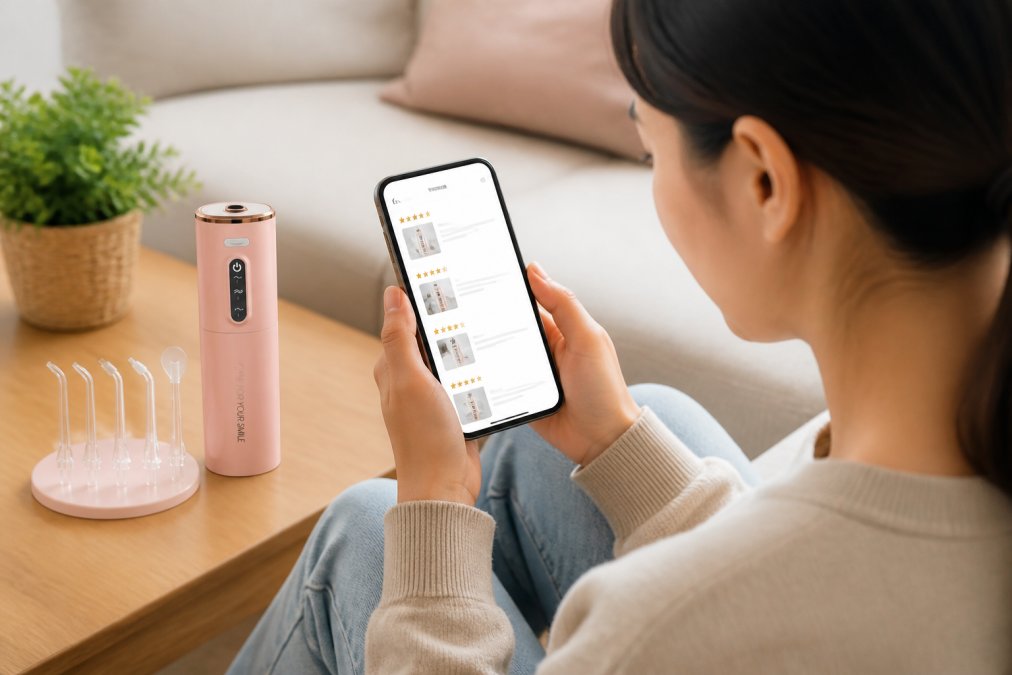
Authentic reviews contain specific details about actual use. A genuine review mentions what problem the product solved, how long they've used it, what they like and dislike, and whether they'd buy it again. Fake reviews use vague language ("This product is amazing!"), lack specifics about actual use, or read like marketing copy.
Red flags in review patterns include: all five-star ratings with no variation, reviews posted in rapid clusters on the same day, reviewers with no purchase history, and reviews that mention competing products by name. Platforms like Amazon show "Verified Purchase" badges, reviews from actual buyers carry more weight than unverified comments.
Pay attention to one-star reviews carefully. If multiple one-star reviews mention the same issue (product breaks after two weeks, doesn't fit as described, arrived damaged), that's a genuine pattern worth considering. A few negative reviews among hundreds of positive ones is normal; consistent complaints about specific failures suggest a quality problem.
Look for reviews from verified purchasers who've owned the product for at least 30 days. First-week reviews often reflect initial enthusiasm rather than real-world durability. Reviews after six months or a year show whether products hold up through actual use.
Best Practices for Online Product Reviews and Ratings
Understanding how review systems work helps you extract accurate information. Most platforms calculate average ratings, but that number hides important details. A product with 4.5 stars could have mostly five-star reviews with a few one-star outliers, or mostly four-star reviews with fewer extreme opinions.
Look at the distribution of ratings rather than just the average. If 60% of reviews are five stars and 20% are one star, that's polarizing, the product either works perfectly or fails completely for different users. That suggests the product may not work for your specific use case even if the average rating looks good.
Timing matters in review analysis. Products that have been on sale for years with hundreds of reviews provide more reliable data than new products with a handful of reviews. Read reviews from people in similar situations to yours. A parent of young children might prioritize different features than someone living alone. Reviews from reviewers with comparable circumstances carry more weight than generic praise.
When a product has a mix of reviews mentioning similar issues with different solutions, that tells you the product requires more setup or adjustment than the description suggests. Reliable household essentials should work with minimal fussing, so products requiring extensive troubleshooting might not be your best choice.
Evaluate Retailer Reliability and Service Standards
The retailer you buy from matters as much as the products themselves. A quality product from an unreliable retailer creates stress when issues arise. An average product from a trustworthy retailer gives you recourse if something goes wrong.

Evaluate retailers on three criteria: delivery speed and reliability, customer support accessibility, and return policy clarity. Value Market Plus prioritizes quick delivery, real customer support (not just chatbots), and a straightforward refund policy, these directly address common retailer frustrations.
Check how quickly a retailer ships orders and whether they provide tracking information. Some retailers promise two-day delivery but consistently ship slower. Others quote longer timeframes but deliver early. Retailers with realistic timelines and consistent follow-through build trust through predictability.
Customer support quality separates reliable retailers from frustrating ones. Can you reach a real person by phone or email? How quickly do they respond? Do they actually solve problems? Reading recent customer service reviews reveals patterns, if multiple recent reviews mention unhelpful support, that's a current problem.
Return policies should be clear and customer-friendly. Reliable retailers accept returns within a reasonable window (30-60 days minimum), provide prepaid return shipping, and process refunds quickly. Policies that require you to pay return shipping, charge restocking fees, or take weeks to issue refunds create friction that turns minor problems into major frustrations.
Vetting Service Providers and Return Policies
If you're buying services (installation, delivery, assembly) alongside products, evaluate service providers with the same rigor you apply to retailers. Check whether they're licensed and insured, read reviews about punctuality and professionalism, and confirm what's included in their service versus what costs extra.
Return policies deserve careful reading. Some retailers advertise "easy returns" but bury restrictions in fine print. Look for policies that specify: the return window, whether the item must be unopened or can be used, what condition it must be in, who pays return shipping, and how long refunds take to process.
The best return policies assume good faith from customers. They don't require original packaging, don't charge restocking fees, and process refunds within a week. Ask about warranty coverage before purchasing. Does the product have a manufacturer's warranty? What's covered, defects only, or accidental damage? A clear warranty gives you protection beyond the return window.
Compare Purchase Models: Subscription vs. One-Time Buys
Different purchasing models suit different needs and budgets. Understanding the trade-offs helps you choose the approach that works for your situation.
One-time purchases give you ownership and control. You buy something, it's yours, and you decide when to replace it. This works well for items you use infrequently or prefer to stock up on. The upfront cost is higher, but you're not locked into recurring payments.
Subscription models spread costs over time and ensure you never run out of essentials. They work well for consumables you use regularly (cleaning supplies, personal care items). The monthly cost feels smaller than buying in bulk, and automatic replenishment removes the friction of remembering to reorder.
Subscription advantages include convenience, potential cost savings through bulk pricing, and predictable monthly expenses. Disadvantages include commitment (canceling can be complicated), storage limitations if you don't have space for multiple months' supply, and the risk of receiving items you don't actually use if preferences change.
Many reliable retailers offer both models. Value Market Plus lets customers choose their preferred approach, recognizing that different households have different needs and constraints. The key is matching the purchase model to your actual usage patterns rather than committing to recurring payments out of habit.
Lifecycle Cost Analysis and Long-Term Value
The cheapest product rarely delivers the best value. Understanding lifecycle costs, the total expense of owning something over its useful life, reveals which items actually save money.
A cheap cutting board that warps after six months costs more per month of use than a quality board lasting five years. An inexpensive vacuum that loses suction after a year costs more annually than a reliable model maintaining performance for a decade. Calculating lifecycle cost per month of use reveals which products deliver genuine value.
Lifecycle cost includes the purchase price, maintenance expenses, replacement frequency, and the cost of failure. A reliable household essential might cost more upfront but requires no maintenance, lasts for years, and works consistently until replacement becomes a choice rather than a necessity.
Consider durability ratings and expected lifespan when evaluating products. Manufacturers often publish expected service life. Items rated for 5,000 uses will outlast items rated for 500 uses. Real-world longevity matters more than specifications, products that look identical on paper perform differently based on manufacturing quality, material sourcing, and assembly standards. Customer reviews showing actual use over months and years provide irreplaceable information that specifications alone cannot offer.
Finding reliable household essentials requires systematic evaluation across multiple dimensions: building a thoughtful checklist, learning to spot misleading reviews, understanding retailer trustworthiness, and calculating true lifecycle costs rather than just purchase price. Value Market Plus simplifies this process by curating tested products, maintaining transparent return policies, and offering real customer support, removing the guesswork from household shopping. Start with the framework in this guide, apply it to your next purchase, and you'll quickly develop intuition for identifying products and retailers worthy of your trust. Shop Now and experience the difference reliable household essentials make.
| Evaluation Criteria | What to Look For | Why It Matters |
|---|---|---|
| Product Reviews | Specific details, verified purchases, consistent patterns | Identifies genuine feedback vs. fake reviews |
| Retailer Policies | Clear returns, quick refunds, accessible support | Protects you if something goes wrong |
| Lifecycle Cost | Durability, maintenance needs, replacement frequency | Shows true long-term value |
| Material Quality | Durable materials, clear manufacturing standards | Indicates how long products will actually last |
| Purchase Model | Subscription vs. one-time, storage space, usage patterns | Matches buying approach to your actual needs |
Frequently Asked Questions
Q: How do I verify the quality of household products online?
A: Check product reviews for specific details about durability and performance rather than vague praise. Look for verified purchase badges, which indicate the reviewer actually bought the item. Read negative reviews carefully, they often reveal real-world issues. Cross-reference ratings across multiple retailers. Finally, prioritize retailers with clear return policies and responsive customer support, which signals they stand behind their products. Quality assurance matters most when you can't inspect items in person.
Q: What should I look for in a reliable online general store?
A: A trustworthy retailer offers transparent product descriptions, real customer support (not just chatbots), and a straightforward return process. Check how they source and test products, curation matters more than selection size. Look for established track records with consistent positive feedback. Verify their refund policy is actually simple and no-hassle. The best stores prioritize customer safety and long-term reliability over quick sales.
Q: How can I avoid counterfeit household goods when shopping online?
A: Buy from authorized retailers rather than third-party resellers whenever possible. Examine product packaging for spelling errors, poor quality printing, or inconsistent branding, counterfeits often cut corners here. Research the brand's official website to compare product details and pricing. Be wary of prices significantly below market rates. Check seller ratings and reviews specifically mentioning authenticity. Retailers with strong background verification of their suppliers are far less likely to carry fakes.
Q: What makes one household essential better than another?
A: Product durability, maintenance schedule requirements, and long-term cost-effectiveness matter more than initial price. Read reviews focusing on how long items actually last in real homes. Consider whether the product is made with sustainable materials or non-toxic alternatives if that matters to your household. Check if it requires special care or replacement parts that add up over time. Consumer reviews mentioning specific use cases similar to yours are more valuable than generic praise. Test products with shorter lifecycles first to ensure they work for your situation before buying in bulk.
This article was written using GrandRanker