


Buy Quality Home Essentials on Budget: 2026 Guide
Table of Contents
- Why Quality Home Essentials Matter More Than Price Tags
- How to Save Money on Household Essentials Without Cutting Corners
- Essential Kitchen Tools for Beginners on a Budget
- Durable Home Goods on a Budget: Lifecycle Cost Analysis
- Smart Shopping Strategies for Budget-Conscious Homeowners
- Maintenance and Repairability: Extending Your Investment
- Building Your Essential Home Inventory on a Realistic Budget
- Ethical Budget Shopping and Second-Hand Options
- Frequently Asked Questions
Last Updated: September 1, 2026
Why Quality Home Essentials Matter More Than Price Tags
A $5 kitchen knife dulls after two weeks. A budget cleaning caddy breaks under weight. You end up replacing these items repeatedly, spending far more than investing in quality upfront. Understanding the difference between cost and value is essential.
Buying quality home essentials on budget isn't about finding the lowest price, it's about identifying products that deliver durability, functionality, and longevity without premium brand markup. At Value Market Plus, we've curated tested household essentials that balance affordability with real-world performance, helping homeowners make smarter purchasing decisions.
A durable item might cost twice as much initially but last three times longer, cutting your true cost per year dramatically. This guide walks you through strategies to calculate lifecycle costs, identify materials that last, and time purchases for maximum savings without sacrificing quality.
How to Save Money on Household Essentials Without Cutting Corners
The biggest mistake is treating "budget" and "quality" as opposites. They're not. A budget-conscious approach means being intentional about where you spend and where you save.
Prioritizing Your Kitchen Purchases
Your kitchen is where intentional spending pays dividends. You use these tools daily, multiple times a day. Start with essentials: a sharp chef's knife, sturdy cutting board, mixing bowls in stainless steel or ceramic, and basic measuring tools.
A quality chef's knife costs more upfront but holds its edge for years if maintained properly. A cheap knife dulls within months. For beginners, resist filling your kitchen with every tool you see. A single quality mixing bowl beats five cheap ones.
Value Market Plus carries options like the Portable Smoothie Maker Cup at $22.95, which combines durability with practicality for daily use.

Where to Find Affordable Quality Kitchen Gear
Bulk retailers offer better unit pricing on staple items. Compare the cost per unit, not just shelf price. A 12-pack of quality kitchen towels might cost more overall than a 4-pack, but the per-towel cost is significantly lower.
Discount retailers like Dollar General and Boxed offer real savings on consumables and basics. Online retailers increasingly offer better pricing than brick-and-mortar stores because they have lower overhead. Value Market Plus provides quick delivery and tested products at competitive prices.
End-of-season sales happen predictably. Spring sales focus on outdoor items. Fall brings deals on indoor organization. Winter features holiday cooking tools. If you can wait, you'll save 20-40% on seasonal purchases (the FTC).
Essential Kitchen Tools for Beginners on a Budget
A functional kitchen doesn't require dozens of tools. The non-negotiable list: chef's knife, cutting board, mixing bowls (at least two), measuring cups and spoons, wooden spoon, spatula, tongs, colander, and a basic pot with a lid.
Secondary items worth adding: a whisk, sheet pan, baking dish, and kitchen shears. Avoid buying "complete sets." A 24-piece knife set sounds comprehensive until you realize you use two knives regularly. Buy individual pieces as you need them.
Durable Home Goods on a Budget: Lifecycle Cost Analysis
Lifecycle cost analysis reveals that cheaper items often cost more in the long run.
Calculating True Cost Over Time
A $15 plastic storage container lasting one year costs $15 per year. A $40 stainless steel container lasting 10 years costs $4 per year. Divide the purchase price by the expected lifespan in years to get annual cost.
For example:
- Budget cutting board ($8) lasting 2 years = $4 per year
- Quality cutting board ($25) lasting 10 years = $2.50 per year
The quality option actually costs less annually, even though it costs more upfront. Apply this thinking across your home: kitchen tools, cleaning supplies, furniture, storage solutions, and bedding.
Materials That Last: What to Look For
Material quality separates items that last from items that break. For kitchen tools: stainless steel, wood, and cast iron last decades (nist.gov). Plastic degrades, warps, and cracks. For storage: solid wood and metal beat particle board and plastic. For textiles: natural fibers like cotton and linen outlast synthetics.
Read product descriptions carefully. Manufacturers highlight material quality because it justifies higher prices. Customer reviews mentioning how long someone has owned the item carry more weight than one-month reviews.
Smart Shopping Strategies for Budget-Conscious Homeowners
Intentional shopping beats impulse buying every time.

Unit Pricing and Bulk Purchasing
Unit pricing reveals the true cost comparison. Divide the total price by the quantity. A 12-pack of dish towels at $24 costs $2 per towel. A 4-pack at $10 costs $2.50 per towel. The bulk option saves money here.
Bulk purchasing only makes sense if you'll actually use the quantity before it degrades. Buying quality items in bulk makes more sense than buying cheap items in bulk, because quality items remain useful longer.
Subscription services sometimes offer bulk discounts. Thrive Market and similar platforms bundle purchases and offer per-unit savings.
Timing Your Purchases: Clearance Sales and Seasonal Deals
End-of-season sales (January for holiday items, August for back-to-school, November for summer goods) offer 40-60% discounts (the FTC). Weekly retailer ads highlight rotating deals on staple items you use regularly.
Warehouse clubs (Costco, Sam's Club, BJ's Wholesale) offer year-round discounts on bulk items. The membership fee is worth it if you shop regularly and buy in bulk.
Maintenance and Repairability: Extending Your Investment
A quality item that you maintain properly lasts far longer than a cheap item you neglect. Items designed for repair last longer than disposable items. A kitchen knife that you can sharpen annually lasts decades. A wooden cutting board that you oil and maintain stays functional for years.
Learn basic maintenance for frequently used items. Knife sharpening takes 10 minutes with the right tool. Cutting board oiling takes 5 minutes. Choose items with replaceable parts when possible. A lamp with a replaceable cord beats one where the cord is permanently attached.
Warranty and return policies matter more than you'd think. Value Market Plus offers a clear, simple refund policy, so if something doesn't work out, you're not stuck with a bad purchase.
Building Your Essential Home Inventory on a Realistic Budget
Most homes accumulate items haphazardly. A strategic approach ensures you have what you need without overspending on what you don't.
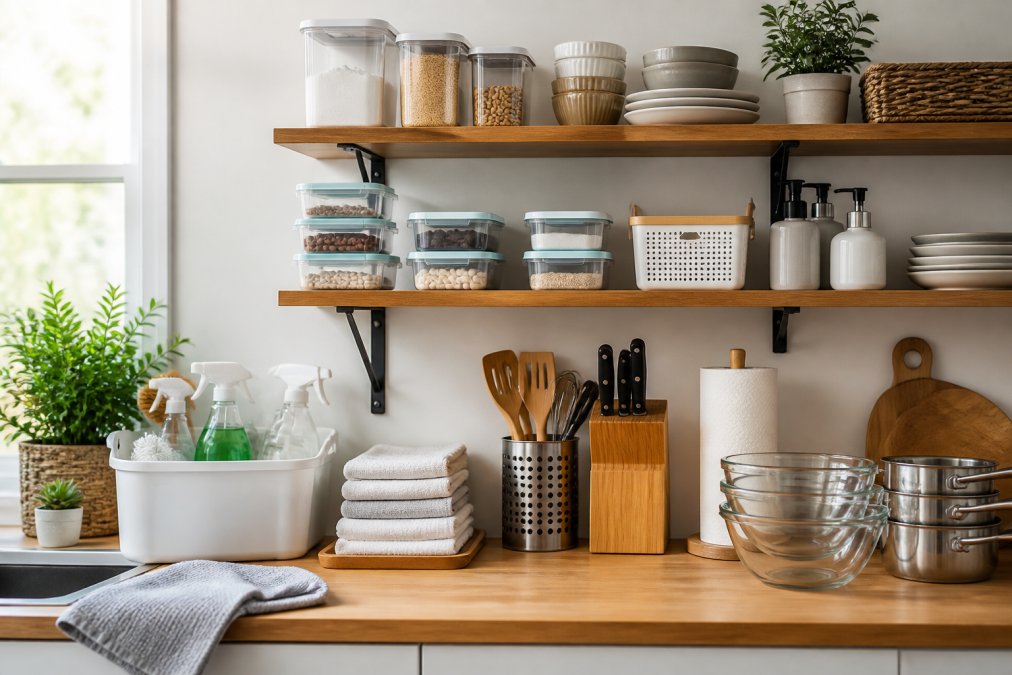
Needs vs. Wants: Prioritizing What Matters
Needs are items you use regularly and depend on for daily function. Wants are items that would be nice to have but aren't essential.
Kitchen needs include knives, cutting boards, mixing bowls, pots, pans, and utensils. Wants include specialty gadgets and trendy appliances you'll use occasionally. Cleaning needs include basic supplies and storage. Furniture needs include seating, sleeping surfaces, and storage for daily use.
Honestly assess your actual needs. Most people overestimate what they need and underestimate what they want. A realistic inventory includes only items you use at least monthly.
Budget Allocation Framework
Allocate your household budget proportionally to categories you use most. A simple framework: allocate 40% to items you use daily, 30% to items you use weekly, 20% to items you use monthly, and 10% to occasional-use items.
Track your spending for a month to understand your actual usage patterns. You might discover you use certain items far more than you realized, suggesting they deserve more budget allocation.
Ethical Budget Shopping and Second-Hand Options
Budget shopping doesn't mean ignoring environmental and ethical concerns. Smart shopping aligns affordability with values.
Second-hand items offer exceptional value-for-money. Furniture, kitchen appliances, and household goods from thrift stores and online marketplaces cost a fraction of retail prices. A quality used wooden dresser might cost $50 instead of $300 new.
Evaluate condition carefully. Furniture with solid construction but worn finishes is worth refinishing. Appliances with cosmetic damage but full functionality are bargains. Buying durable items reduces waste. A quality item you keep for 10 years has far lower environmental impact than replacing a cheap item every year.
Rental and borrowing options exist for items you use occasionally. Tool libraries and peer-to-peer rental platforms let you access expensive items without purchasing them.
Buying quality home essentials on budget comes down to understanding lifecycle costs, recognizing durable materials, and timing purchases strategically. Most households waste thousands annually by buying cheap items repeatedly instead of investing in quality once.
Value Market Plus makes this approach accessible by offering tested, quality products at competitive prices with quick delivery and straightforward customer support. Start with your most-used items, apply the lifecycle cost framework, and watch your total spending decrease even as quality increases.
Frequently Asked Questions
What's the difference between buying quality home essentials on budget versus just shopping at discount retailers?
Discount retailers prioritize low upfront prices, often selling disposable items you'll replace within months. Quality home essentials on budget focus on material quality, warranty coverage, and long-term value. The lifecycle cost analysis shows that investing in quality can save money overall, even at a slightly higher initial price point.
How do I know if a product is actually durable before buying it?
Check three factors: material quality (stainless steel beats plastic for longevity), customer reviews mentioning durability over time, and warranty length. Read reviews specifically for phrases like 'still works after years' rather than just 'arrived quickly.' Value Market Plus curates tested products with real customer feedback, so you can see actual long-term performance before purchasing.
What household essentials are worth spending more money on?
Invest in items you use daily and that impact safety or comfort: kitchen knives, bedding, pillows, cleaning tools, and storage solutions. These items directly affect your quality of life and see constant wear. Conversely, decorative items, single-use gadgets, and trendy pieces depreciate quickly. A good rule: spend more on anything that touches your body regularly or handles food preparation.
How can I save money on household essentials without sacrificing quality?
Use unit pricing to compare bulk options, time purchases around seasonal clearance sales, and prioritize needs over wants. Buy second-hand or thrifted items for decor and furniture. Look for subscription services offering discounts on essentials. Consider DIY cleaning solutions using vinegar and baking soda instead of branded products. Focus on cost-effective, durable items that perform multiple functions rather than single-purpose tools.
What are essential kitchen tools for beginners on a budget?
Start with: a chef's knife, cutting board, mixing bowls, measuring cups, wooden spoon, and a quality non-stick pan. These five items handle 80% of cooking tasks. Add a colander, sheet pan, and storage containers as your budget allows. Avoid specialty gadgets until you know your cooking style. Value Market Plus offers portable kitchen tools like the Portable Smoothie Maker Cup ($22.95) that combine multiple functions affordably.
Is buying second-hand or thrifted home goods a smart budget strategy?
Yes, for furniture, decor, and non-food items. Thrifted goods often feature better construction than new budget alternatives since older items were built to last. Inspect for structural damage, stains, or odors before buying. Avoid second-hand items that contact food (cutting boards, cookware) unless you can sanitize them properly. This approach significantly reduces costs while supporting sustainable, ethical shopping practices.
How do I calculate the true cost of a home product over its lifetime?
Divide the total cost (purchase price plus maintenance and repairs) by the expected lifespan in years. A $100 appliance lasting 5 years costs $20 annually. Compare this to a $40 option lasting 1 year ($40 annually). Factor in replacement frequency, repair costs, and energy consumption. This lifecycle cost analysis reveals that seemingly expensive items often cost less per year than cheaper alternatives requiring frequent replacement.
This article was written using GrandRanker