


Affordable Alternatives to Designer Home Decor Items
Table of Contents
- Why Designer Home Decor Costs So Much (And What You're Actually Paying For)
- Best Home Decor Dupes That Nail the High-End Aesthetic
- How to Spot Quality in Budget Decor Before You Buy
- Budget-Friendly Interior Design Tips That Transform a Room
- Where to Buy Affordable Home Decor Online
- Room-by-Room Budget Allocation: Where to Splurge and Where to Save
- DIY Upcycling and Sustainable Sourcing as Decor Dupes
- Frequently Asked Questions
Last Updated: September 10, 2026
Why Designer Home Decor Costs So Much (And What You're Actually Paying For)
Designer home decor commands high prices because you're paying for three things: brand prestige, wholesale-to-retail markups, and the curated experience of shopping through a showroom. The actual materials often cost a fraction of the retail price.
When you buy a designer accent chair for four figures, roughly a third of that goes to the brand's marketing budget (the FTC). Another chunk covers showroom leases in expensive districts. The rest trickles down to manufacturing, shipping, and the retailer's margin. Strip those layers away and you're left with a chair that shares more DNA with a budget alternative than you'd expect.
What most guides miss is that the design itself isn't proprietary. Silhouettes, color palettes, and proportion rules aren't copyrighted (copyright.gov). A tapered leg is a tapered leg whether it costs $89 or $890.
This guide from Value Market Plus breaks down where to find affordable alternatives to designer home decor items that deliver the same visual impact without the markup. Below, we'll show you exactly which categories to target, how to spot quality before you buy, and where your budget stretches furthest.
The key insight: designer home decor is a pricing strategy, not a quality guarantee. Once you understand what drives the cost, you can shop smarter.
Best Home Decor Dupes That Nail the High-End Aesthetic
The best home decor dupes replicate the visual weight and material feel of designer pieces at a fraction of the price. Focus on three categories where the gap between designer and budget is widest: lighting, textiles, and statement accessories.
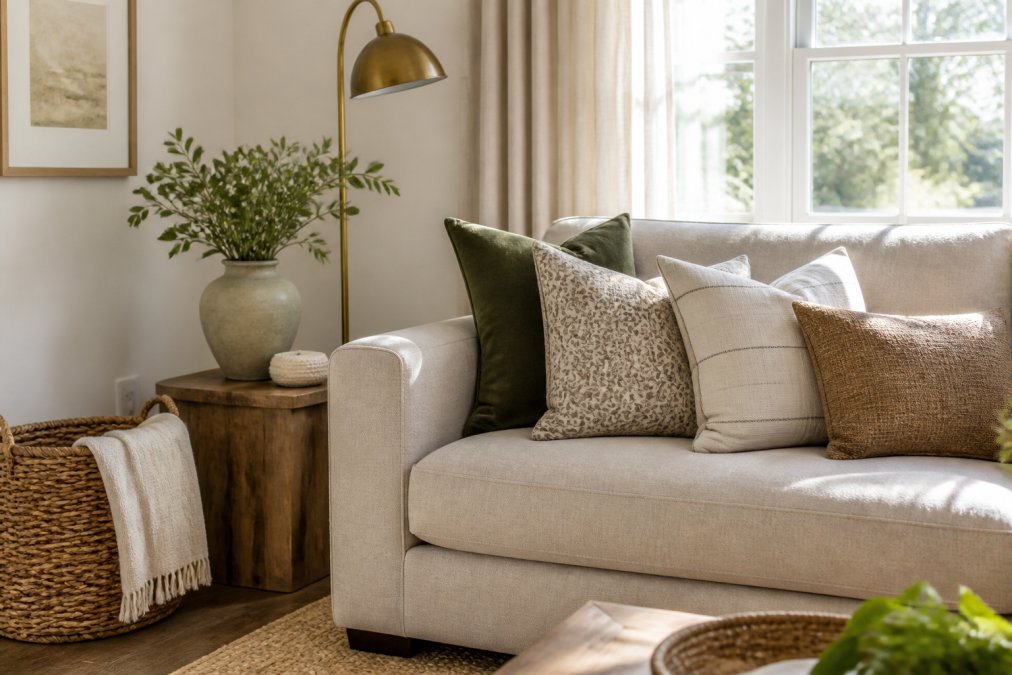
Lighting and Statement Pieces
Lighting is where budget shoppers win biggest. A designer brass floor lamp might retail for several hundred dollars, while a comparable silhouette in a slightly lighter weight metal costs a fraction of that. The visual difference at three feet away is negligible.
Look for:
- Matte black or antique brass finishes that photograph well
- Weighted bases (a heavy base signals quality)
- Fabric cords in neutral colors, not cheap white plastic
Statement vases, sculptural bookends, and oversized mirrors follow the same rule. The form matters more than the finish.
Textiles and Soft Furnishings
Textile layering is the fastest way to shift a room's aesthetic. Designer throw pillows often retail for well over $100 each (bls.gov). Budget versions in similar textures cost a fraction.
What matters is texture and tone, not the label. A boucle pillow cover in cream reads the same whether it cost $15 or $150. Look for:
- Linen blends over pure polyester (better drape)
- Hidden zippers (visible zippers signal budget)
- Consistent dye lots if buying multiples
For a calming bedroom setup that complements your decor, a Silk Sleep Mask for Restful Nights at $19.95 adds a small luxury touch without the designer markup.
How to Spot Quality in Budget Decor Before You Buy
Material quality separates pieces that last from pieces that disappoint. Check these signals before adding anything to your cart:
| What to Check | Quality Signal | Red Flag |
|---|---|---|
| Weight | Feels substantial in hand | Feather-light, hollow |
| Joinery | Welded or mortise-and-tenon | Visible glue, staples |
| Finish | Even coating, no drips | Bubbling, thin patches |
| Hardware | Solid metal, smooth action | Plastic hinges, sticky drawers |
| Fabric | Tight weave, clean seams | Loose threads, pilling |
A common mistake is buying based on the product photo alone. Photos are lit and styled to hide flaws. Read the material specs, check the weight if listed, and look for customer photos in reviews.
For functional decor that doubles as self-care, the ComfortShiatsu Massage Pillow at $24.95 uses Shiatsu rollers for deep tissue massage, proving that practical pieces can look good on a sofa too.

Budget-Friendly Interior Design Tips That Transform a Room
Budget-friendly interior design tips focus on visual hierarchy: draw the eye to one focal point, keep everything else quiet. You don't need expensive pieces when the composition works.
Start with space planning. Rearrange furniture before buying anything new. A sofa pulled away from the wall and angled slightly changes the entire feel of a room at zero cost.
Styling Techniques to Elevate Inexpensive Pieces
Group items in odd numbers. Three vases of varying heights on a console table look intentional. Two look accidental.
Layer lighting at three levels: overhead, task, and accent. A budget table lamp paired with a floor lamp creates depth that a single expensive fixture can't match.
Add one unexpected texture per room. A woven jute rug under a sleek glass table creates tension that reads as designed rather than decorated.
Where to Buy Affordable Home Decor Online
Online shopping for decor works best when you know which retailers consistently deliver quality at low price points, and which ones hide flaws behind styled photography. The list below covers the major channels worth checking, what each is actually good for, and the trade-offs to expect.
Mass-market retailers with strong decor aisles
- IKEA, Best for foundational pieces: shelving, storage, lighting, and textiles. The trade-off is assembly and particleboard construction on lower-priced lines. Look for their solid-wood and metal lines when durability matters.
- Target (Threshold and Studio McGee lines), Strong on trend-driven accents, lamps, and throw pillows in the $15-$60 range. Quality is inconsistent across lines, so read material specs carefully.
- Wayfair, Enormous selection across price points, but quality varies wildly by seller. Filter by customer photos and check the return window before ordering large furniture.
- HomeGoods and TJ Maxx, Off-price inventory means you can find designer-adjacent silhouettes at 40-70% off retail, but stock is unpredictable and returns are limited.
Online-first and direct-to-consumer brands
- Article, Mid-century and modern furniture with transparent pricing; typically cheaper than showroom brands because they skip the retail middleman.
- World Market, Good for globally inspired accents, baskets, and textiles at accessible prices.
- Amazon, Useful for basics like curtain rods, hardware, and picture frames, but vet sellers carefully; listings with few reviews often ship lower-grade materials.
Secondhand and vintage channels
- Facebook Marketplace and Craigslist, Best for solid-wood furniture at a fraction of new prices. Inspect in person when possible.
- eBay, Strong for vintage lighting, brass hardware, and discontinued patterns.
- Estate sales (via EstateSales.net and local listings), Where you find the best material quality per dollar, especially on wood and brass.
What to check before you buy
- Return window and shipping cost, A 'cheap' item with a 14-day window and $40 return shipping isn't cheap.
- Customer photos, not just studio shots, Real photos reveal color shifts, scale, and finish flaws.
- Material specs in the listing, 'Wood' can mean solid oak or MDF with a veneer; the listing usually tells you if you scroll.
- Review recency, A product with strong reviews from three years ago may have changed manufacturers since.
Value Market Plus curates tested home essentials at affordable prices, with quick delivery and a straightforward refund policy. The 2024 Bluetooth Aromatherapy Diffuser at $80.95 doubles as a wall-mounted air freshener and a sculptural accent piece, covering both functional decor and ambiance.

The best approach is to browse curated online shops that vet products before listing them. This saves you from the trial-and-error of ordering from unknown sellers, and from the slow accumulation of pieces that looked good in a photo but don't hold up in a room.
Room-by-Room Budget Allocation: Where to Splurge and Where to Save
Allocate your decor budget by visibility and use. Spend where hands and eyes land most often; save where nobody looks closely.
| Room | Splurge On | Save On |
|---|---|---|
| Living room | Sofa, area rug | Throw pillows, art |
| Bedroom | Mattress, curtains | Nightstands, lamps |
| Kitchen | Faucet, counter stools | Open shelving, jars |
| Bathroom | Mirror, tile | Accessories, towels |
| Entryway | Console table | Baskets, hooks |
The 70/20/10 rule works well: 70% on foundational pieces, 20% on accents that shift with seasons, 10% held back for impulse finds.
For bedrooms, a Heated Neck Pillow Massager at $98.95 combines heat therapy with supportive cushioning, making it a functional decor investment that earns its place.

DIY Upcycling and Sustainable Sourcing as Decor Dupes
Upcycling is the most underrated dupe method, and the one almost no competitor covers in any real detail. A dated dresser with good bones and a fresh coat of paint outperforms a new budget piece on both cost and character. The key is knowing which modifications pay off and which ones waste your weekend.
Modifications that reliably work
- Hardware swaps, Replacing plastic or dated pulls with solid brass or matte black hardware transforms a cabinet or dresser in under an hour. A set of eight quality pulls typically runs $30-$80 and reads as a designer upgrade.
- Paint and refinishing, Chalk-style and mineral paints adhere to most finished surfaces without heavy sanding. A quart covers a nightstand or small dresser and costs $20-$40. Always degloss and prime on high-gloss or laminate surfaces.
- Leg swaps, Tapered wood or metal legs on a plain sofa or cabinet instantly shift the silhouette toward mid-century or modern. Replacement legs run $10-$30 each.
- Lamp rewiring and shade swaps, A thrifted brass lamp with a new fabric shade and updated cord reads as a $200+ piece for under $50 total.
- Upholstery on simple frames, Dining chair seats and bench cushions are beginner-friendly reupholstery projects; full sofas are not.
Modifications that usually aren't worth it
- Refinishing veneer with water damage, The substrate swells and the finish fails again within months.
- Painting over pest damage, Treat the infestation first or the problem returns.
- Reupholstering cheap particleboard frames, The frame fails before the fabric does.
- Stripping factory lacquer from mass-market pieces, The wood underneath is often low-grade and not worth the labor.
Material durability: what actually lasts
This is the piece most dupe guides skip entirely. Budget decor fails on a predictable timeline, and knowing the material tells you whether a piece is a five-year buy or a one-season buy.
| Material | Typical lifespan (budget tier) | Notes |
|---|---|---|
| Solid wood (oak, maple, walnut) | 20+ years | Refinishable; the best secondhand value |
| MDF and particleboard | 3-7 years | Swells with moisture; not repairable |
| Veneer over MDF | 5-10 years | Fails at edges and seams first |
| Powder-coated steel | 10+ years | Chips expose rust; touch up promptly |
| Plated brass | 2-5 years | Wears through to base metal at touch points |
| Solid brass | 20+ years | Patinas rather than fails |
| Polyester upholstery | 2-4 years | Pills and sags; not cleanable with harsh solvents |
| Performance-weave fabrics | 5-10 years | Higher upfront cost, far better longevity |
A common pattern is that shoppers save on the visible piece (a lamp, a pillow) and overspend on the invisible one (a sofa frame, a rug backing). Flip that instinct: spend on structure, save on surface.
Sustainable sourcing that actually reduces waste
Buying secondhand first is the single highest-impact move. Estate sales, online marketplaces, and local swap groups routinely surface pieces with better materials than anything new at the same price. Solid wood from the 1970s beats particleboard from 2026 almost every time.
A few practical habits:
- Buy the frame, not the finish. A structurally sound piece with ugly fabric is a better buy than a pretty piece with a failing frame.
- Check for FSC-certified wood on new purchases, it signals responsibly managed sourcing.
- Look for low-VOC or water-based finishes if you're refinishing indoors.
- Donate or resell what you replace rather than curbside-disposing it; most metro areas have furniture reuse programs.
The sustainability angle matters to shoppers too. Value-driven shopping increasingly means choosing pieces that last rather than pieces that trend. A well-refinished vintage chair is both a decor dupe and a small environmental win, and unlike a fast-decor purchase, it usually appreciates in character rather than falling apart.
Frequently Asked Questions
How can I make my home look luxurious on a limited budget?
Focus on three things: lighting, texture, and scale. Swap builder-grade light fixtures for statement pendants or brass lamps, layer textiles like cotton velvet throws and linen curtains, and choose one oversized art piece instead of several small ones. These changes create visual impact without a designer price tag. Sticking to a tight color palette also makes affordable pieces look intentional rather than random.
Where are the best places to shop for high-end home decor dupes?
Curated online shops that test their products are your best bet. Look for retailers that carry budget-friendly versions of trending items, offer real customer reviews, and have clear return policies. Value Market Plus, for example, stocks tested home products like the 2024 Bluetooth Aromatherapy Diffuser at $80.95 that mimic the look and function of pricier wellness decor. Always check material specs before buying online.
How do I identify quality home decor pieces that aren't overpriced?
Check the material weight and construction details. Solid wood, stoneware, and dense textiles outlast particle board and thin polyester. Look for tight seams, even finishes, and hardware that feels substantial (not flimsy). Read reviews for durability complaints. A $25 cotton velvet pillow cover can look as rich as a $150 designer version if the weave is tight and the color is saturated. Price does not always equal quality.
What are the most effective ways to elevate a room with affordable decor?
Start with a visual hierarchy: one large anchor piece (art, mirror, or rug), then build outward with smaller accents. Use the 60-30-10 color rule to keep things cohesive. Add functional decor like a ComfortShiatsu Massage Pillow ($24.95) that doubles as a styling element on a reading chair. Group items in odd numbers and vary heights to create depth without spending more.
Are DIY upcycling projects really a good alternative to buying new decor?
Yes, when done with intention. Painting an old frame, re-covering a lampshade, or refinishing a thrifted side table can cost under $20 and deliver a custom look. The key is choosing projects that match your existing aesthetic and using quality materials (chalk paint, natural fabrics). Upcycling also keeps usable items out of landfills, which aligns with sustainable sourcing goals. Just avoid projects that require special tools you do not own.
Designer prices don't guarantee better rooms, and budget prices don't mean settling. The real skill is knowing where the markup lives and shopping around it. Value Market Plus makes that easier with tested home essentials, quick delivery, real customer support, and a clear refund policy, so you can refresh your space without the stress. Browse the curated collection and find affordable alternatives to designer home decor items that actually deliver.